Engineering Manager: Beyond the Promotion
A personal take on the engineering manager role — the real day-to-day, people over process, staying technical, and leadership lessons from Ted Lasso.
I used to watch EMs from across the room and think — that looks easy. Alignment calls, release plan, a few meetings. That's it, right?
Then I became one. And honestly, I owe my past self a good laugh.
What a day actually looks like
I used to start my mornings with code. Now they start with people.
Something broke in prod. Support needs a response from engineering before the client escalates. I'm in the daily scrum, on chat with my leads checking sprint health, while keeping one eye on whether the release plan still makes sense or needs a course correction.
And then there's the stuff nobody warns you about:
- Aligning with PM and Arch on the next release before it becomes a last-minute panic
- Owning dependency conversations with other teams because nobody else will
- Pulling people into a room to close something that's been going in circles on Slack for days
- Making sure the team isn't building on assumptions that blow up at sprint end
Somewhere in all of this, I carve out at least an hour — sometimes post office hours — to sit with a technical problem myself. No meetings, no interruptions. Just me building something, from design to deployment. The day I stop doing this is the day I start losing credibility with my team.
I thought the hard part was the tech. I was wrong.
When I was a tech lead, I thought being an EM was mostly about keeping releases on track. Process, dependencies, planning. Manageable stuff.
Nobody warned me the hardest part would be people.
Every person on your team comes with their own aspirations, their own energy on any given day, their own stuff happening outside work. Knowing when to push someone and when to back off. Knowing when someone needs a direct conversation and when they just need space.
The thing that took me longest to get right? Staying calm when everything is on fire. Leadership pushes pressure down — the release is slipping, a client is unhappy, your skip is asking uncomfortable questions. And you have to walk into standup and be the steady person in the room. That skill doesn't show up in any job description, but it's the one that matters most.
I've been bad at this. The stress got to me and I could feel it affecting how the team operated. But you get better. You look back at how you reacted to something two years ago and think — I'd handle that differently now. Not perfectly. Just better.
What I genuinely miss
I miss picking up a hard ticket and going deep into it. Not reviewing someone else's solution — building my own, end to end.
I miss having a full afternoon to go down a rabbit hole on something new. The kind of learning where you're stuck for two hours and then it suddenly clicks.
And I miss the instant satisfaction when something ships. Management wins don't feel like that. They're slower, shared, harder to celebrate.
How AI has helped me stay close to the tech
I've spent real time with Copilot, Claude, and Cursor — not surface-level experimentation, but actually figuring out how to build things faster. I ran sessions with my team on context, prompting, and validating what the model gives you instead of blindly trusting it.
But the thing that made the biggest difference was building something end to end myself. I built a Data Job Failure Intelligence tool — LangChain, LangGraph, vector stores, MCP, AWS Bedrock, Lambda, FastAPI. Nobody asked me to. I did it because you cannot lead a team on a roadmap you don't understand from the inside. Walk the talk, or don't talk.
AI doesn't give me more hours. But it means the hours I do get, I can do more with. For someone who still thinks like an engineer — that's not nothing.
The show that changed how I think about leading people
Bear with me on this one.
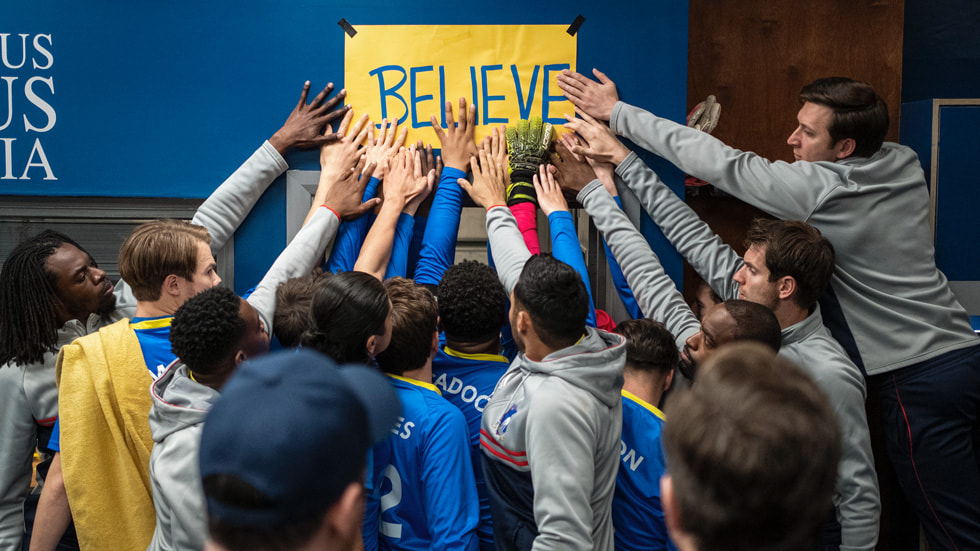
At some point in my EM journey I started watching Ted Lasso. I'll say it straight — if you want to lead people and you haven't watched it, go watch it. Not because it's a warm fuzzy show about football. Because it's the most honest portrayal of leadership I've come across. More useful than half the management books I've read.
Ted walks into a club full of people openly rooting against him, and he doesn't flinch. He doesn't perform toughness. He shows up, stays curious, and genuinely invests in the people around him. The respect comes — not because he demanded it, but because he earned it.
There's one line I've thought about more than anything else I've read on leadership:
Be curious, not judgmental.
When someone on your team is slipping, your gut reaction is frustration. You start forming opinions before you know what's actually going on. This line interrupts that. Ask a real question first. I've used it as a mental reset more times than I can count, and it has changed the quality of almost every difficult conversation I've had.
Keeping the team motivated — the honest version
Not everyone on your team is going to be at their best all the time. That's reality.
The answer is almost always to just talk to the person — not in standup, not on Slack. A real conversation where you're trying to understand what's going on. Sometimes they don't see the value of what they're working on. Sometimes there's a cross-team conflict draining them. Sometimes it's personal. You won't know unless you ask.
One thing that's made a real difference — play cricket or football with your team. Eat together. When people see you as a normal person, something loosens up. They talk differently to you. That's the team culture worth building.
And don't underestimate public acknowledgement. If someone did something great in the sprint review — say it right then. Timing is everything with recognition.
On 1:1s — most people are doing them wrong
If you're using your 1:1 as a status check, stop. That's what standup is for.
How I run mine:
- Start personal. How was the trip? What did you do over the weekend? It signals you see them as a person.
- Ask what's blocking them. Not just technically — what's making their work harder than it needs to be?
- Talk about where they want to go. Career goals, skills, what work they actually want more of.
- Ask what I can do better. First few sessions — silence. Keep asking. One day they'll tell you, and it'll be the most useful feedback you get.
- Give honest feedback. What's going well and why. What needs to change and why. Don't skip this and then surprise them at review time.
What actually makes a good EM
| What it is | What it looks like |
|---|---|
| Articulation | Taking something messy and making it clear enough to act on |
| Closure | Getting open-ended conversations across the finish line |
| Conflict resolution | Addressing friction early — within the team and across tracks |
| 1:1 quality | Actually building trust, not just showing up |
| Feedback | Honest, timely, respectful — flowing in both directions |
| Risk radar | Seeing what's going to go wrong before it does |
Not a glamorous list. But when you do these consistently, your team runs. And that's the job.
Ted Lasso put it better than I can:
For me, success is not about the wins and losses. It's about helping these young fellas be the best versions of themselves on and off the office.
That's what I'm trying to do. Sprint after sprint. 1:1 after 1:1. Not always getting it right — but more right than last time.
Working towards an EM role? Go in knowing it'll be harder and more human than you expect. Don't lose your technical side. And go watch Ted Lasso.